
Multi-vehicle traffic accidents are among the most stressful and dangerous situations drivers can experience on the road. Unlike a simple two-car collision, these incidents often involve several drivers, multiple insurance companies, conflicting accounts of what happened, and a greater chance of injuries or extensive property damage. Whether the crash occurs during heavy traffic, poor weather, or high-speed highway travel, the moments immediately afterward can feel chaotic and overwhelming.
Knowing what actions to take can make a major difference in protecting personal safety, preserving evidence, reducing financial complications, and supporting a smoother recovery process. Drivers who stay organized and informed after a serious collision are often better prepared to handle medical care, insurance claims, vehicle repairs, and legal concerns.
The following guide outlines practical and actionable steps drivers should follow after a multi-vehicle accident to help manage the situation effectively and reduce long-term stress.
Prioritize Safety and Prevent Additional Collisions

The first priority after any accident is safety. Multi-vehicle crashes frequently happen in high-traffic areas where the risk of secondary collisions remains high. Drivers should assess the immediate environment carefully before exiting the vehicle or approaching others involved in the accident.
If the vehicles can still move safely and local laws allow it, drivers should relocate to the shoulder or another secure area away from active traffic lanes. However, if there are severe injuries, leaking fluids, or major structural damage, it may be safer to leave vehicles where they are until emergency personnel arrive.
Important safety measures include:
- Turning on hazard lights immediately
- Using reflective warning triangles or road flares if available
- Staying inside the vehicle when traffic conditions are dangerous
- Avoid standing between stopped vehicles
- Watching for approaching traffic while exiting the vehicle
Remaining calm is also essential. Emotions often run high after chain-reaction collisions, especially when multiple drivers are involved. Avoid arguing about fault or assigning blame at the scene. Focus instead on gathering information and ensuring everyone receives proper assistance.
Calling emergency services should happen as quickly as possible. Even if injuries seem minor initially, police documentation and medical evaluation can become important later if symptoms worsen or insurance disputes arise.
When speaking with emergency dispatchers, drivers should provide:
- The exact location of the accident
- The number of vehicles involved
- Whether anyone appears injured
- Any immediate hazards, such as fires, fuel leaks, or blocked traffic lanes
Quick communication can help emergency responders manage the scene more effectively and reduce additional risks.
Gather Accurate Information From Everyone Involved
Once safety concerns are addressed, drivers should begin documenting the accident thoroughly. Multi-vehicle collisions can become complicated quickly because different drivers may provide conflicting descriptions of events. Detailed evidence collected early can help clarify what happened later during insurance investigations.
Drivers should exchange information with all involved parties, including:
- Full names and contact information
- Driver’s license numbers
- Insurance company details
- Vehicle registration information
- License plate numbers
Witness information can also be extremely valuable. Independent witnesses often provide objective perspectives that may help resolve disagreements regarding fault.
Photographs and videos should be taken before vehicles are moved whenever possible. Drivers should document:
- Vehicle positions
- Road conditions
- Traffic signs and signals
- Skid marks
- Visible injuries
- Damage from multiple angles
Modern technology can also help preserve accurate evidence after a crash. Many repair facilities now use digital vehicle inspections to identify hidden structural or mechanical issues that may not be visible immediately after the accident. These inspections often include photo documentation and electronic reports that can support insurance claims and repair planning.
Drivers should avoid deleting photos, videos, or text communications related to the accident. Keeping organized digital records can simplify future discussions with insurance providers and repair shops.
Seek Immediate Medical Evaluation Even for Minor Symptoms
In many multi-vehicle accidents, injuries are not always obvious immediately after impact. Adrenaline can temporarily mask pain and delay symptoms for hours or even days. Seeking prompt medical evaluation helps identify hidden injuries before they worsen.
Common delayed symptoms include:
- Neck stiffness
- Headaches
- Back pain
- Dizziness
- Numbness
- Shoulder pain
- Fatigue
- Difficulty concentrating
Ignoring these warning signs may lead to longer recovery periods and more serious complications later. Even individuals who feel relatively normal after the accident should monitor symptoms carefully during the following days.
Drivers experiencing non-life-threatening injuries may choose to visit an urgent care center for evaluation. These facilities can often assess soft tissue injuries, minor fractures, and other common collision-related conditions without the longer wait times associated with emergency rooms.
Medical professionals may recommend imaging tests, pain management strategies, or follow-up care depending on the severity of symptoms. Following those recommendations consistently is important for both recovery and documentation purposes.
Drivers should also maintain organized medical records that include:
- Appointment summaries
- Diagnostic results
- Prescription information
- Physical therapy notes
- Work restrictions
- Mileage for medical visits
Proper injury treatment not only supports healing but also establishes clear documentation if insurance claims or legal disputes arise later.
Address Physical Recovery Carefully During the Following Weeks
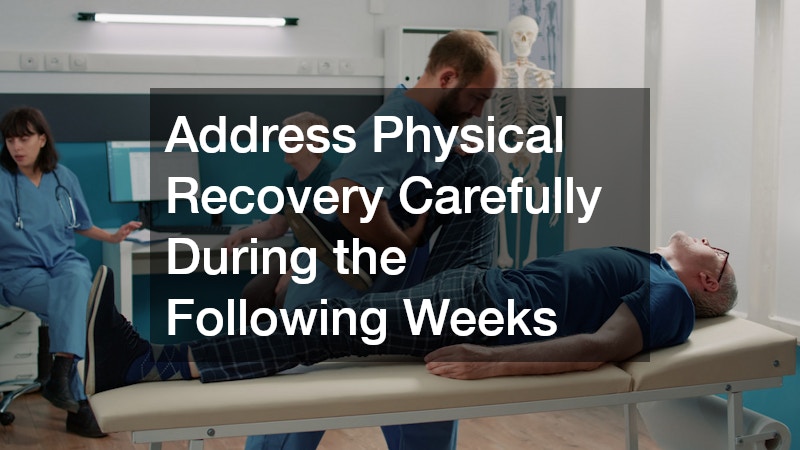
The recovery process after a serious traffic accident often extends well beyond the first medical visit. Soft tissue injuries, spinal misalignment, and joint pain may continue developing for weeks after the collision.
Neck and back injuries are especially common in multi-vehicle accidents because drivers may experience multiple impacts from different directions. These repeated forces can place significant stress on muscles, ligaments, and spinal structures.
Some individuals seek care from car accident chiropractors to address mobility limitations, stiffness, and musculoskeletal discomfort after a collision. Chiropractic care may be used alongside other treatment methods as part of a broader recovery plan designed to improve movement and reduce lingering pain.
Regardless of the treatment approach, consistency matters during recovery. Skipping appointments or discontinuing care too early may slow progress and create gaps in medical documentation.
Helpful recovery habits may include:
- Following all provider recommendations
- Avoiding strenuous activity too soon
- Tracking symptoms daily
- Maintaining hydration and proper nutrition
- Prioritizing adequate sleep
- Gradually returning to normal physical activity
Drivers should also pay attention to emotional recovery. Anxiety, stress, and fear of driving are common after traumatic crashes. Seeking support from healthcare professionals or counselors may help individuals cope with lingering emotional effects.
Notify Insurance Companies Promptly and Carefully
Insurance reporting is one of the most important administrative steps following a multi-vehicle accident. Delays in communication may complicate claims or create unnecessary disputes between providers.
Drivers should contact their insurance company as soon as practical after the accident. When speaking with adjusters, it is important to remain factual and avoid speculation about fault or injuries before all evidence has been reviewed.
Useful information to provide includes:
- Date and location of the accident
- Police report number
- Names of involved parties
- Photographs and videos
- Witness contact information
- Initial medical evaluations
Because multi-vehicle accidents often involve several insurance companies, claims investigations can become lengthy and complicated. Keeping all documents organized in one location can reduce confusion during the process.
Helpful records to maintain include:
- Medical bills
- Vehicle repair estimates
- Rental car receipts
- Towing invoices
- Communication logs
- Claim reference numbers
Drivers should review all settlement offers carefully before accepting them. Some injuries or vehicle issues may not fully appear until later stages of recovery or repair.
Understand When Legal Guidance May Become Necessary
Determining fault in multi-vehicle collisions can be far more complicated than in standard two-car accidents. Several drivers may share partial responsibility, and insurance companies may attempt to reduce their financial exposure by shifting blame to others involved.
In situations involving severe injuries, disputed liability, or denied claims, some drivers choose to consult a car accident attorney for guidance. Legal professionals may help review evidence, communicate with insurers, and explain available options during complicated claims processes.
Situations where legal support may become particularly valuable include:
- Serious or permanent injuries
- Multiple conflicting witness statements
- Commercial vehicle involvement
- Uninsured drivers
- Significant lost wages
- Wrongful death claims
- Denied insurance coverage
A qualified accident attorney may also assist with gathering expert opinions, reviewing medical records, and negotiating settlements that reflect the full extent of damages and recovery costs.
Drivers should avoid signing legal documents or accepting final settlements before fully understanding the long-term impact of injuries and repair expenses.
Arrange Safe Transportation for the Damaged Vehicle
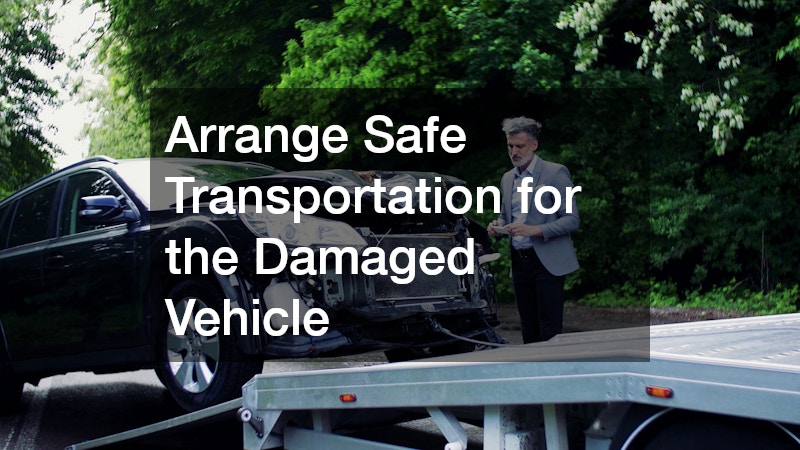
After a serious accident, damaged vehicles may no longer be safe to drive. Mechanical failures, fluid leaks, suspension damage, or airbag deployment can create dangerous driving conditions even if the vehicle appears operational.
Removing the vehicle from the roadway safely helps prevent additional hazards and allows repair assessments to begin sooner.
Drivers often rely on a local towing company to transport disabled vehicles to repair facilities, storage lots, or safe locations. Choosing a reputable provider can help reduce delays and minimize the risk of additional vehicle damage during transportation.
Before authorizing vehicle transport, drivers should confirm:
- Where the vehicle will be taken
- Storage fees
- Operating hours
- Vehicle release procedures
- Insurance coverage information
Keeping copies of all invoices and transportation documents is important because some insurance policies may reimburse towing-related expenses later.
Reliable towing services can also provide roadside assistance in situations involving flat tires, battery failures, or disabled vehicles after minor collisions.
Drivers should remove personal belongings from the vehicle whenever possible before transportation occurs, including:
- Identification documents
- Electronics
- Wallets and purses
- Prescription medications
- Garage door openers
- Important paperwork
Documenting the vehicle’s condition before towing may also help prevent disputes regarding damage that existed before transport.
Inspect the Vehicle Thoroughly Before Approving Repairs
Vehicle damage after a multi-car accident often extends beyond what is visible externally. Even moderate collisions can affect structural integrity, safety systems, suspension components, and electronic features.
A thorough inspection should occur before any repair decisions are finalized. Drivers should not assume that cosmetic repairs alone are sufficient.
Common hidden issues after multi-vehicle collisions include:
- Frame misalignment
- Steering problems
- Suspension damage
- Sensor malfunctions
- Brake system damage
- Transmission issues
- Tire wear abnormalities
- Electrical problems
Repair facilities frequently use computerized measuring systems and digital vehicle inspections to identify underlying structural concerns that may not appear during a basic visual assessment.
Drivers should request detailed written estimates outlining:
- Labor costs
- Replacement parts
- Paint procedures
- Repair timelines
- Warranty information
Obtaining multiple estimates may help drivers compare repair approaches and avoid unnecessary expenses.
If insurance adjusters recommend specific repair facilities, drivers should still research those businesses independently before authorizing repairs.
Choose a Repair Facility That Prioritizes Safety and Quality
Selecting the right repair facility is critical after a serious collision. Poor workmanship or incomplete repairs may compromise vehicle safety, reduce resale value, and create additional mechanical problems later.
Drivers should research repair shops carefully before committing to major repairs.
Important questions to ask include:
- Are technicians certified?
- Does the facility use manufacturer-approved procedures?
- Are replacement parts new or aftermarket?
- Is a repair warranty provided?
- Will the shop communicate directly with insurers?
High-quality auto body repair focuses not only on appearance but also on restoring structural integrity and vehicle safety systems properly. Modern vehicles contain advanced driver-assistance technology, sensors, and computerized safety features that require precise calibration after collisions.
Drivers should request updates throughout the repair process and inspect the completed work carefully before accepting the vehicle.
Warning signs of poor repair quality may include:
- Uneven paint texture
- Gaps between panels
- Warning lights remaining active
- Steering alignment issues
- Unusual noises
- Water leaks
- Vibrations while driving
After collision repairs are completed, continued maintenance remains important. Establishing a relationship with a trusted local auto repair provider can help drivers monitor long-term vehicle performance and identify lingering issues early.
Routine follow-up inspections may reveal developing concerns that were not immediately obvious after repairs were completed.
Monitor Emotional and Mental Recovery After the Crash

The emotional effects of a serious traffic accident can persist long after physical injuries heal. Many drivers experience anxiety, sleep problems, difficulty concentrating, or fear when returning to the road.
These reactions are especially common after high-speed or multi-vehicle collisions involving severe damage or injuries.
Signs of emotional distress may include:
- Panic while driving
- Nightmares about the accident
- Irritability
- Depression
- Avoidance of traffic
- Difficulty focusing
- Increased stress levels
Ignoring emotional symptoms can interfere with work, relationships, and overall quality of life. Professional counseling or therapy may help individuals process traumatic experiences more effectively.
Drivers returning to the road after a major accident may benefit from:
- Starting with short drives
- Avoiding heavy traffic initially
- Practicing defensive driving
- Allowing extra travel time
- Reducing distractions inside the vehicle
Maintaining confidence behind the wheel often takes time. Patience and gradual exposure can help reduce fear while rebuilding comfort with driving again.
Conclusion
Recovering from a multi-vehicle traffic accident involves far more than repairing visible vehicle damage. Drivers must often manage medical care, insurance claims, legal concerns, emotional recovery, and transportation challenges simultaneously. Taking organized and informed action immediately after the collision can help reduce confusion and improve long-term outcomes.
By focusing on safety, documenting evidence carefully, following medical recommendations, and choosing qualified professionals throughout the recovery process, drivers can better protect themselves physically, financially, and emotionally. Although multi-vehicle accidents are overwhelming experiences, preparation and informed decision-making can make the recovery process far more manageable in the weeks and months ahead.