The magic of a music or arts festival isn’t just found in front of the main stage; it is built in the hours between sets at your basecamp. Whether you are headed to the dust of the high desert or the humid fields of the South, your campsite is your sanctuary for recovery, hydration, and connection. Moving beyond a simple tent and a sleeping bag transforms your experience from surviving to thriving. This transition requires a shift in mindset, viewing your campsite not just as a place to crash, but as a high-functioning mobile headquarters.
Selecting the Right Home on Wheels
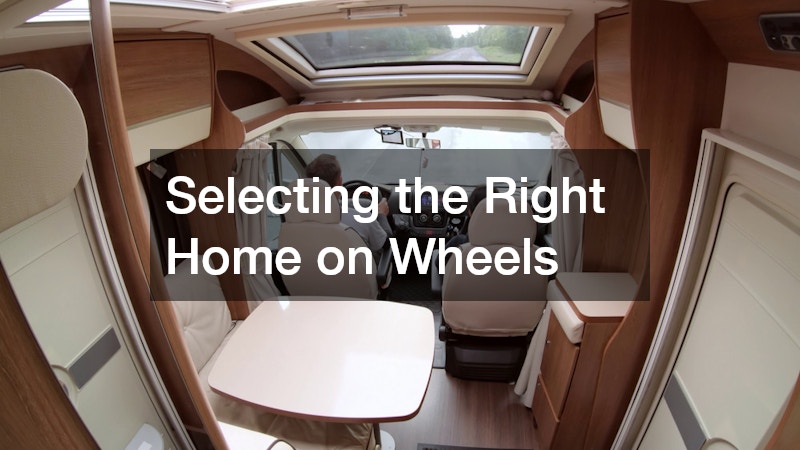
Securing a festival RV rental early in the season is essential, as inventory for major events like Coachella or Burning Man disappears months in advance. Look for a unit that offers enough square footage for your entire group to sleep comfortably without tripping over gear. Having a solid roof over your head provides a level of sound insulation and light blocking that is vital for catching up on sleep during the daylight hours.
Once you have your vehicle, take the time to inspect the exterior surfaces for any signs of wear or degradation. If you are taking a personal vehicle that has been sitting in the driveway for months, you might consider a professional RV roof sealcoating service to ensure that an unexpected midnight downpour doesn’t turn your bed into a swamp. A sealed roof also helps reflect UV rays, which is a major factor in keeping the interior temperature manageable during the peak of the afternoon.
- Check the seals: Look for cracking around vents and skylights.
- Test the HVAC: Run the air conditioner for at least an hour to ensure it cycles properly.
- Inspect the tires: Check for dry rot and ensure the pressure is at the manufacturer’s specification.
- Sanitize the tanks: Flush the freshwater system with a mild bleach solution before filling.
Powering Your Perimeter and Kitchen
Your primary fuel source for cooking and heating water will likely be propane. Always bring at least one full backup tank, as the exchange stations at festivals often have massive lines or inflated prices that can take a bite out of your budget. Beyond cooking, this fuel often powers your refrigerator when you are disconnected from shore power, making it the most vital consumable in your inventory.
If you find that your onboard systems are flickering or the water pump isn’t engaging, don’t panic. Many large-scale events have mobile mechanics on-site who specialize in quick RV repair to keep your lights running throughout the weekend. These technicians are used to the unique stresses of festival environments and can often find a workaround for common electrical or plumbing failures that occur due to the vibrations of travel.
- LED Lighting: Replace all interior bulbs with LEDs to reduce battery drain by up to 90 percent.
- Solar Panels: Portable folding panels can trickle charge your house batteries during the day.
- Dual Tanks: Use a changeover regulator so you never run out of fuel in the middle of a meal.
- Ventilation: Use 12V fans to circulate air and reduce the load on your primary cooling system.
Mobility and Logistics Beyond the Camp
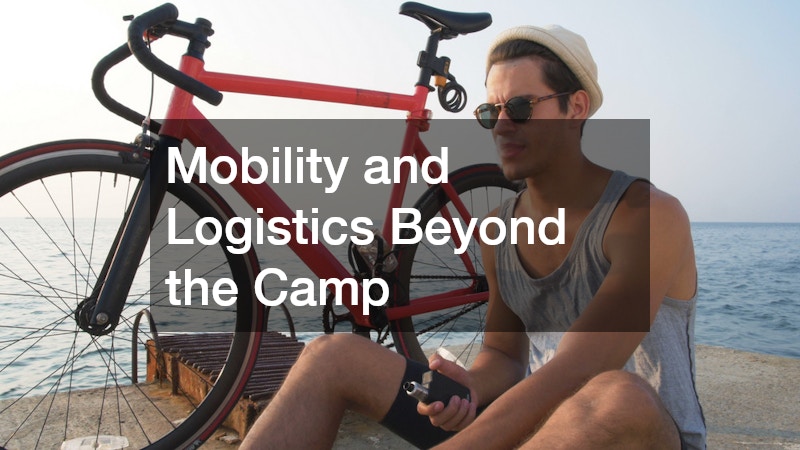
An electric bike is arguably the best investment for festival mobility, allowing you to zip through camping lanes and reach the venue entrance in a fraction of the time it takes to walk. These vehicles allow you to carry extra water and supplies back to camp with ease. Just ensure you have a heavy-duty lock, as bike theft is a common issue in crowded areas where thousands of people are moving in and out.
If you are hauling a large trailer or a heavy fifth-wheel, be aware of the terrain before you park. Mud or soft sand can trap a heavy rig instantly, necessitating a heavy duty towing service to get you unstuck. These services are often extremely expensive at festivals due to high demand and difficult access. Always scout your path on foot before driving your heavy equipment onto unpaved grass or dirt that might have been softened by recent rain.
- Scout the Site: Walk the final 50 yards of your arrival path to check for soft spots.
- Board Support: Carry “extra large” stabilizer pads or wooden planks to prevent your jacks from sinking.
- Lock It Up: Use a U-lock and a cable for any bikes or external gear left outside at night.
- Tire Pressure: Lowering pressure slightly can help with traction on sand, but remember to refill before hitting the highway.
Health, Hygiene, and Pest Prevention
Living in a temporary city with thousands of other people and a lot of food waste can attract unwanted visitors. Maintaining a clean camp isn’t just about aesthetics; it is about health and preventing your rig from becoming a mobile habitat for local fauna. Small proactive steps can prevent a minor annoyance from turning into a full-scale infestation.
Before you even arrive, it is wise to implement a proactive roach control strategy, such as placing bait stations in storage bays and near plumbing entries. Festivals are notorious for hitchhiking pests that can follow you home if your kitchen area isn’t kept meticulously clean. Keeping all food in airtight plastic containers and disposing of trash in sealed bins at least once a day will make your camp much less attractive to insects.
Between festivals, keeping your gear in a climate-controlled environment prevents mold and degradation. Utilizing air conditioned storage for your high-end camping gear, electronics, and even the RV itself during the off-season ensures everything stays in peak condition for next year. Humidity is the enemy of fabrics and electronics, and a stable environment can double the lifespan of your expensive festival equipment.
- Sealed Totes: Use clear plastic bins for all pantry items to spot any issues early.
- Grey Water Management: Ensure your hoses are tightly sealed to prevent odors from attracting pests.
- Daily Clean: Spend 15 minutes every morning wiping down surfaces and sweeping the entryway.
- Scent Barriers: Some travelers swear by peppermint oil around door frames to deter crawling insects.
Safety Protocols and Emergency Readiness
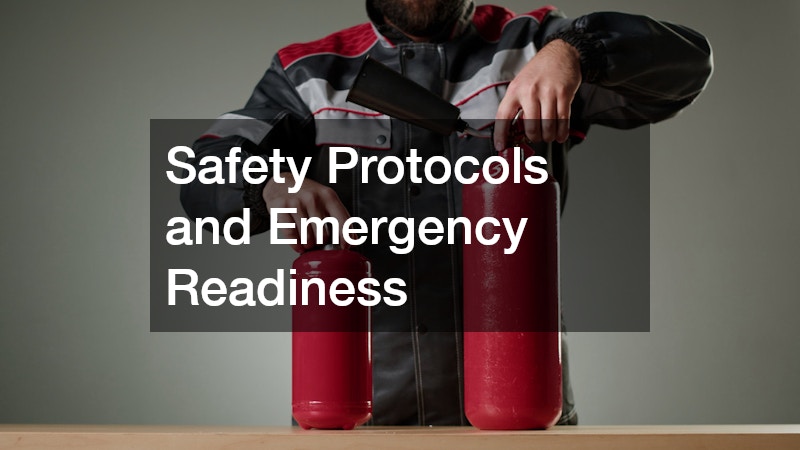
Standard safety equipment is non-negotiable; you should have multiple fire extinguishers strategically placed throughout your camp area. One should be kept near the outdoor kitchen, and another inside the vehicle near the exit door. Make sure everyone in your group knows how to pull the pin and operate them effectively, as a small fire can spread with terrifying speed in a crowded campground.
Furthermore, when choosing where to set up, look for reputable RV parks or designated camping zones that offer 24-hour security and clearly marked emergency lanes. Being near an official path ensures that medical or fire teams can reach you quickly if an emergency arises. Avoid the temptation to tuck yourself into a hidden corner where you might be blocked in by other vehicles or hidden from the view of patrol staff.
- Exits: Ensure your main door and emergency windows are never blocked by gear or chairs.
- Detectors: Check the batteries in your smoke and carbon monoxide detectors before every trip.
- First Aid: Keep a trauma-grade first aid kit in a central, visible location.
- Communication: Establish a “rally point” in case your group gets separated during an evacuation.
Mastering the Art of the “Chill Zone”
The “Chill Zone” should be the centerpiece of your layout. Use heavy-duty gazebos or vehicle awnings to create a double-layered shade system. In high-heat environments, an aluminized shade cloth can be draped over your primary shelter to reflect up to 90 percent of radiant heat. This keeps the ground underneath significantly cooler, allowing your group to rest and recover during the hottest parts of the day.
Lighting is equally important for both mood and safety. Solar-powered string lights are excellent because they don’t require battery power and automatically turn on at dusk. This helps you find your camp in a sea of identical-looking rigs and prevents trips and falls over tent stakes or generator cords. Use different colors or unique patterns so your camp stands out from a distance.
Investing in high-quality seating is a game-changer for long weekends. Look for “zero-gravity” recliners or inflatable sofas that allow you to truly take the weight off your feet. When you are standing and dancing for eight to ten hours a day, having a place to properly elevate your legs back at camp can prevent significant fatigue and muscle soreness.
- Multi-Level Shade: Combine your RV awning with a secondary pop-up tent for maximum coverage.
- Outdoor Carpets: Use a breathable plastic mat to keep dust down and create a “barefoot-friendly” zone.
- Hydration Station: Keep a dedicated cooler or a 5-gallon water dispenser in the shade at all times.
- Trash Management: Set up a two-bin system—one for recycling and one for landfill—to make cleanup easier.
Logistics of Ingress and Egress

When you arrive, try to time your entry for “off-peak” hours. Early morning or late at night often sees shorter lines at the box office and security checkpoints. Before you enter the line, ensure your vehicle is completely ready for inspection. Have your tickets out, your ID ready, and ensure that all prohibited items have been left at home. This speeds up the process for you and everyone behind you.
The pack-down process should begin the night before you plan to leave. Secure all loose items, pack away the extra shade structures, and consolidate your trash. This makes the morning of departure much smoother, allowing you to leave early and beat the rush. Leaving a festival feeling refreshed and organized is the ultimate sign of a successful basecamp strategy.
- Full Tanks: Fill your fuel tank as close to the festival site as possible so you have plenty of idle time.
- Weight Distribution: Ensure your load is balanced to prevent swaying on the highway.
- Check the Lights: Do a full walk-around of your signal lights and brake lights before leaving the site.
- Document Everything: Take photos of your rental unit before and after the event to protect your deposit.
Sustaining the Environment and the Community
As a member of the festival community, you have a responsibility to the land and the people around you. The “Leave No Trace” principle is the gold standard for outdoor events. Everything you bring in must go back out with you, including small items like cigarette butts and glitter.
Noise pollution is another factor to consider. If you are using a generator, be mindful of the “quiet hours” established by the festival organizers. Use a high-quality inverter generator, which is significantly quieter than traditional construction models. If possible, use a “baffle box” to further dampen the sound, ensuring your neighbors can sleep even if you need to run your power.
Community building starts at the property line. Introduce yourself to your neighbors as soon as you park. These are the people who will watch your camp while you are at the stages and who might have the one tool or spare part you forgot to pack. A friendly “hello” and an offer of a cold water can go a long way in creating a positive atmosphere for the entire weekend.
- Micro-Trash: Carry a small “butt bucket” or pocket bin for tiny scraps of trash.
- Bio-Degradable Soap: If you are using an outdoor shower, ensure the soap is safe for the soil.
- Gray Water: Never dump your sink or shower water directly onto the ground.
- Donations: Many festivals have a donation station on the final day for unopened food and camping gear.
Building the perfect festival basecamp is an evolving art form. Each event teaches you something new about your gear, your group, and your own needs for comfort and safety. By focusing on a reliable shelter, a solid power plan, and a proactive approach to hygiene, you create an environment where you can truly recharge. The effort you put into the logistics of your campsite pays dividends in the quality of your experience. When you aren’t worried about a leaking roof, a dead battery, or an uninvited guest in your pantry, you are free to lose yourself in the music and the community. Pack smart, stay safe, and enjoy every moment of the journey.