Modern automobiles are more reliable, technologically advanced, and comfortable than at any other point in transportation history. Digital dashboards monitor engine parameters, GPS navigation prevents drivers from getting lost, and advanced driver-assistance systems actively work to prevent collisions. Yet, despite all these technological marvels, the basic physical reality of the road has not changed: mechanical components wear out, tires puncture, weather turns severe, and unexpected accidents happen.
The Core Mechanical and Diagnostic Recovery Gear

When a vehicle suffers a sudden mechanical failure, having the right recovery tools in your cargo area can mean the difference between fixing the issue in ten minutes or waiting hours for a tow truck. Mechanical preparedness starts with addressing the two most common roadside culprits: dead batteries and flat tires.
Battery Jump-Starting Equipment
A dead battery can happen without warning, often triggered by an left-on interior light, extreme cold weather, or simple chemical degradation within the battery cells.
- Compact Lithium Jump Packs: Traditional jumper cables require a second, functioning vehicle to supply power. Modern portable lithium-ion jump starter banks allow you to jump-start your own vehicle independently. These compact devices store enough power to crank a V8 engine multiple times on a single charge and often double as power banks for cell phones.
- Heavy-Duty Jumper Cables: If you prefer traditional cables, choose a set that is at least 10 to 12 feet long with heavy-gauge copper wiring (4-gauge or 6-gauge). Thin, cheap cables often overheat or fail to deliver enough current to start a completely drained battery.
Tire Inflation and Repair Tools
Tire issues account for a massive percentage of roadside emergencies. Modern vehicles often lack a full-sized spare tire, making portable repair equipment essential.
- 12V Portable Air Compressor: A compact tire inflator that plugs into your vehicle’s 12-volt power outlet allows you to top off a low tire or inflate a repaired tire on the spot. Look for units with integrated digital pressure gauges and auto-shutoff features.
- Tire Plug Kits and Sealant: For tread punctures caused by nails or screws, a heavy-duty T-handle tire plug kit allows you to push a rubberized plug directly into the puncture. Temporary tire sealant cans are also useful emergency alternatives, though you should head straight to a certified tire shop as soon as possible to have the tire properly inspected, patched internally, or replaced.
Emergency Fluids and Temporary Line Seals
Fluids are the lifeblood of your vehicle’s engine, transmission, and braking systems. Carrying emergency quantities of vital fluids can save an engine from catastrophic destruction.
- Essential Fluid Inventory: Keep sealed quarts of motor oil, pre-mixed engine coolant, brake fluid, and windshield washer fluid in your kit. Secure them in a heavy-duty plastic bin to prevent leaks inside your trunk.
- Hose Repair Clamps and Tape: Rubber radiator hoses can develop high-pressure pinhole leaks over time. High-tensile silicone tape and hose repair clamps allow you to seal small cooling system leaks long enough to limp safely to a trusted auto repair center before your engine severely overheats.
Visibility, Signaling, and Nighttime Safety Essentials
If your vehicle breaks down at night, on a sharp curve, or during heavy precipitation, the immediate hazard shifts from mechanical failure to collision risk. Ensuring that passing drivers can clearly see your stopped vehicle is paramount to staying alive while parked on a narrow shoulder.
Illumination Tools for Dark Roadways
Working on a vehicle in the dark using a smartphone light is inefficient and dangerous, as it deprives you of a free hand and quickly drains your primary communication device.
- Hands-Free LED Headlamps: A high-lumen LED headlamp with adjustable tilt and multiple brightness settings keeps both of your hands free to change a tire or check under the hood. Keep a fresh set of lithium batteries in your kit, as lithium batteries resist cold-weather drain far better than alkaline options.
- Magnetic Work Lights: Portable, battery-powered LED floodlights with magnetic bases can be slapped directly onto the underside of your open hood or fender, casting broad light across the entire engine bay or wheel well.
Active and Passive Hazard Signaling
Placing hazard markers far behind your vehicle gives oncoming traffic plenty of warning to change lanes, especially when highway speeds exceed 65 miles per hour.
- Reflective Safety Triangles: Standard collapsible orange reflective triangles are highly effective at reflecting oncoming headlights. Set up three triangles behind your vehicle at intervals of 10, 100, and 200 feet along the shoulder.
- LED Road Flares: Traditional incendiary magnesium flares are effective but pose fire hazards near leaking fuel or dry brush. Modern electronic LED flares pulse bright red or amber light, are visible from over a mile away, and feature waterproof, crushproof housings that can survive being run over by a truck.
- High-Visibility Apparel: Always keep a ANSI-compliant reflective safety vest in your glove box or door pocket. Put it on before stepping out of the vehicle into traffic zones or dark shoulders.
Addressing Structural and Glass Impairments
Road debris, gravel kicked up by semi-trucks, or minor parking collisions can break glass or dislodge exterior body panels, creating immediate driving hazards.
- Glass Stabilization Film and Tape: A shattered side window lets rain, cold air, and road debris inside the cabin. Heavy-duty clear plastic sheeting and specialized glass tape allow you to seal open window frames temporarily.
- Temporary Glass Repairs: If a stone chips your windshield on a long trip, applying a temporary resin patch keeps the crack from spreading across your field of view until you can schedule a full car windshield replacement with a glass specialist.
- Body Panel Ties: Loose bumper covers or dragging splash shields should be secured immediately using heavy-duty cable ties. Temporary structural tie-downs keep loose parts from tearing off on the highway before you can visit a shop for professional auto body repairs.
Hard Tool Kit Foundations and Minor Roadside Fixes
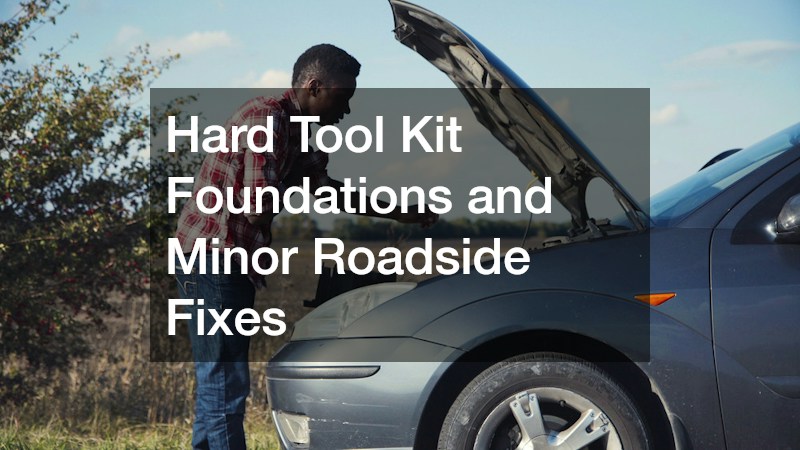
A well-curated roadside tool kit does not need to mirror a professional mechanic’s rolling chest. Instead, it should focus on versatile, high-utility tools capable of handling a wide variety of emergency adjustments and minor component replacements.
The Universal Tool Roll
Instead of carrying loose tools that rattle around in your trunk, organize your hardware in a heavy-duty canvas tool roll.
- Socket and Ratchet Sets: A compact 3/8-inch drive socket set featuring metric and standard sockets covers the vast majority of fasteners found on modern vehicles.
- Wrenches and Pliers: Include adjustable crescent wrenches, needle-nose pliers, locking vise-grips, and slip-joint pliers. Pliers are indispensable for gripping hot metal caps, pulling stubborn fuses, or bending bent brackets out of the way of moving tires.
- Screwdrivers and Utility Knives: A multi-bit ratchet screwdriver containing Phillips, flathead, Torx, and hex bits saves space while providing maximum flexibility. Pair it with a heavy-duty folding utility knife with spare blades.
Fasteners, Adhesives, and Mechanical Aids
Emergency repairs often require temporary binding materials to hold components together long enough to reach a service station.
- Heavy-Duty Zip Ties and Baling Wire: Multi-length nylon zip ties and a roll of flexible mechanics’ baling wire can secure loose exhaust heat shields, hanging wiring harnesses, or loose trim panels.
- Adhesives and Lubricants: Pack a roll of heavy-duty duct tape, electrical tape for exposed wiring, and a tube of quick-setting epoxy putty that cures underwater to plug minor fluid leaks. A small can of penetrating oil helps loosen rusted lug nuts or frozen door mechanisms.
Sourcing Reliable Replacement Components
Not all emergency fixes are structural; sometimes a critical electronic system fails due to a simple burnt-out fuse or damaged relay.
- Spare Fuses and Bulbs: Modern vehicles rely heavily on complex electrical circuits. Stock your kit with a multi-piece automotive fuse assortment that matches your car’s specific fuse profile (mini, micro, or standard blade fuses), along with a 12V fuse tester.
- Vehicle-Specific Electrical Spares: Buying spare fuses, extra relays, and replacement headlight bulbs from a reputable auto parts retailer ensures you have exact-fit electrical components ready when a night drive is suddenly interrupted by a blown lighting circuit.
- Consulting Professional Technicians: If you are unsure which mechanical spares are critical for your vehicle model, ask the service writer at your local car shop during your next oil change to help you identify high-wear relays or belts worth keeping in your trunk.
Weather and Environmental Survival Supplies

A roadside breakdown is not just a mechanical problem; it is an environmental challenge. If your engine dies in sub-zero winter temperatures or during an August heatwave, keeping your body safe while waiting for help becomes your top priority.
Thermal Protection and Severe Weather Gear
When an engine stops running, your car’s heater stops producing warmth within minutes. In freezing weather, cabin temperatures plummet rapidly.
- Mylar Emergency Blankets: Compact Mylar thermal blankets reflect up to 90% of your body heat back to you. They take up virtually no space, making them mandatory for every passenger seat in your vehicle.
- Wool Blankets and Heavy Outerwear: In addition to foil blankets, store a heavy wool blanket, winter beanies, insulated work gloves, and hand warmers in your trunk during cold seasons. Wool retains heat even when wet.
- Rain Protection: Keep lightweight rain ponchos and waterproof overshoes in your kit. Changing a flat tire in a downpour without rain gear leaves you drenched, leading to rapid hypothermia even in moderate temperatures.
Hydration and Non-Perishable Nutrition
Waiting for a tow truck on an isolated highway can easily take several hours. Staying hydrated and maintaining blood sugar levels keeps you alert and reduces panic.
- Emergency Water Rations: Store vacuum-sealed water pouches or durable, BPA-free water bottles in your kit. Avoid cheap plastic water bottles that degrade over time when subjected to heat cycles inside a hot trunk.
- High-Calorie, Non-Perishable Snacks: Pack protein bars, dried fruit, nuts, and military-style meal rations (MREs). Choose foods that have high calorie-to-weight ratios and will not melt into a mess during summer heat.
Sustaining Vehicle Systems and Safety
Monitoring your environment includes understanding how long you can safely run your vehicle’s engine for climate control while waiting for help.
- Exhaust Clearance in Snow: If you are stranded in a snowstorm and running your engine periodically for heat, clear snow away from the tailpipe. A blocked tailpipe forces deadly carbon monoxide back into the passenger cabin.
- Brake and System Oversight: If your breakdown occurred after a heavy mountain descent, inspect your wheel wells visually for smoke or severe heat. If you suspect fluid leakage or pad overheating, schedule a full brake repair evaluation once you arrive safely at a service facility.
Crisis Management, Collision Prep, and Legal Protocols
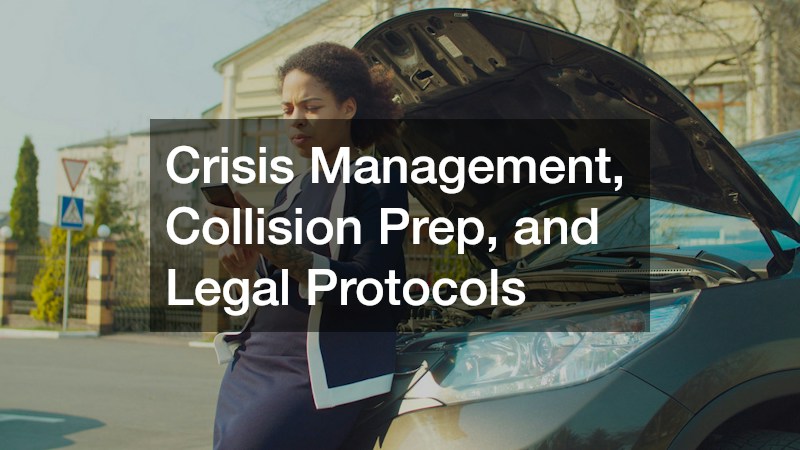
Not every emergency is a simple mechanical breakdown. Traffic accidents require a different layer of preparedness focused on physical trauma care, legal documentation, and vehicle recovery management.
Personal First Aid and Hygiene Inventory
Medical preparedness goes far beyond a small box of adhesive bandages. A true automotive first aid kit must be capable of managing moderate trauma until emergency medical services arrive.
- Medical Trauma Supplies: Equip your first aid kit with sterile gauze pads, pressure dressings, medical shears, tourniquets, burn cream, antiseptic wipes, nitrile gloves, and CPR face shields.
- Personal Medications and Hygiene: Keep a small supply of non-prescription pain relievers, antihistamines, and digestive aids, along with any essential prescription medications your family requires. Include hand sanitizer, waterless hand cleaner, and heavy-duty shop towels.
Post-Collision Action and Evidence Gathering
The moments immediately following an auto accident are chaotic. Having a clear protocol and tools for documentation helps protect your health, safety, and financial interests.
- Scene Documentation Tools: Keep a dedicated notepad, permanent marker, and disposable camera (or use your smartphone) to photograph vehicle positions, license plates, skid marks, street signs, and visible injuries.
- Legal Protection: Following a major highway accident involving injuries or disputed liability, contacting experienced car accident attorneys helps ensure your legal rights are protected, evidence is properly preserved, and insurance claims are handled fairly.
Navigating Severe Vehicle Recovery
When a collision or catastrophic mechanical failure leaves a vehicle structurally compromised, professional recovery is the only option.
- Assessing Structural Integrity: Never attempt to drive a vehicle if the frame is bent, suspension components are snapped, steering is unaligned, or airbags have deployed.
- Professional Frame and Body Evaluation: Transporting your damaged vehicle to a certified collision repair facility allows licensed technicians to conduct structural alignment checks and safety assessments.
- Handling Unrepairable Vehicles: In cases where severe structural distortion, engine fire, or submersion renders a vehicle unsafe for rebuilding, coordinating with a reputable vehicle salvage operator allows for safe vehicle removal, title processing, and disposal.
Carrying a thoroughly prepared roadside emergency kit is the ultimate insurance policy for any driver. It transforms potential roadside disasters into manageable inconveniences, replacing panic and vulnerability with confidence and self-reliance.
Whether navigating daily city commutes or embarking on cross-country highway adventures, taking the time to assemble, maintain, and understand your emergency gear protects both your vehicle and your passengers. By combining high-quality mechanical recovery tools, reliable safety signaling devices, severe weather survival gear, and proper emergency protocols, you ensure that no matter what happens down the road, you will never be left stranded.