Long-distance road trips offer an unmatched sense of freedom, allowing you to explore distant coastlines, mountain passes, and sprawling highways at your own pace. However, the excitement of an open-ended journey can quickly turn into a stressful ordeal if your vehicle experiences a mechanical breakdown miles away from the nearest town. High-speed highway cruising, heavy luggage loads, steep grade climbs, and sudden temperature shifts place far more strain on an engine and drivetrain than daily city commuting.
Preparing your vehicle for an extended trip requires moving beyond a simple visual check. A thorough maintenance routine mitigates the risk of breakdown, optimizes fuel efficiency, and protects your safety across unfamiliar terrain. By taking a systematic approach to pre-trip inspection and servicing, you can hit the road with complete confidence in your vehicle’s performance.
Pre-Trip Diagnostics and Electrical System Health

Your vehicle’s electrical framework serves as the backbone for the entire vehicle, powering critical functionalities that range from the engine control unit, which manages fuel and ignition systems, to conveniences like air conditioning and safety-critical components such as sensors that help avoid accidents. Furthermore, it supports navigation display units, ensuring that you are always headed in the right direction. Given the importance of these systems, it is crucial to perform a comprehensive diagnostic assessment before setting out on a journey. A failing electrical component frequently provides little to no warning before causing your vehicle to become inoperative, potentially leaving you stranded in an inconvenient or unsafe location. Therefore, conducting a diagnostic pass is a precautionary step that cannot be overlooked before departing.
- Battery Voltage and Load Testing: The battery is the heart of your vehicle’s electrical system. To check its health, you can use a standard multimeter to measure the voltage. Ideally, when the engine is off, the multimeter should read approximately 12.6 volts. However, when you start the engine, the alternator should increase the voltage to a range between 13.7 and 14.7 volts. This ensures that the battery is being properly charged. If your battery is more than three years old, it is wise to have a professional shop perform a digital load test, which examines whether the battery can produce the adequate cold-cranking amps needed in adverse weather conditions.
- Terminal and Cable Inspection: The battery terminals and cables are fundamental to ensuring a stable electrical connection. Examine both the positive and negative posts for any signs of corrosion, which often appear as a white or bluish powder. This lead-sulfate corrosion is indicative of oxidation and can hamper electrical flow. It is important to clean the terminals by using a wire brush coupled with a baking soda and water mixture. This will remove the build-up and prevent further corrosion. Additionally, ensure that cable clamps are securely tightened to maintain a consistent electrical connection, which is critical to avoid disruptions caused by vibrations while driving on highways.
- Lighting and External Signals: Properly functioning exterior lighting is essential for safe driving. Examine all exterior bulbs, including high beams, low beams, brake lights, reverse lights, and turn signals, to ensure that they are operating correctly. If you experience dimming headlights, it could be an early sign of alternator wear or resistance in the ground circuit, both of which should be addressed before undertaking any night driving. Proper illumination not only ensures visibility for you but also alerts others on the road to your vehicle’s movements, which is critical for accident prevention.
Beyond just focusing on lighting and battery health, please direct your attention to the vehicle’s ignition and starter system. When you turn the key or press the start button, be aware of any unusual sounds. Hesitation, clicking, or grinding noises can indicate worn starter solenoid contacts.
Engine Bay and Mechanical System Preparation
Under the hood lies the heart of your vehicle, where high heat and mechanical friction demand clean fluids and intact rubber components. Highway speeds generate constant thermal energy that can degrade old fluids rapidly.
Begin by assessing your engine oil level and condition. Dark, gritty oil should be drained and replaced along with a fresh oil filter before traveling thousands of miles. Check the engine coolant level in the expansion tank, making sure the mixture is clean and free of rust particles or oil sheen. Additionally, inspect the serpentine belt for micro-cracks along the ribs, fraying on the edges, or excessive slack. A snapped serpentine belt disables the alternator, water pump, and power steering pump simultaneously, forcing an immediate vehicle shutdown.
Maintaining severe-duty service schedules gives you a distinct advantage on multi-state journeys. For instance, fleet managers who oversee large commercial transport vehicles rely on strict preventative maintenance intervals to avoid costly downtime. Taking hints from a professional trucking company by establishing set fluid change intervals keeps heavy-duty engines operating at peak efficiency under sustained high temperatures.
Similarly, high-mileage medium-duty platforms such as Isuzu trucks rely on rigorous cooling system checks and frequent belt replacements to endure long hauling routes without overheating. Applying these commercial-grade preventative maintenance standards to your personal road trip vehicle will protect your engine against thermal stress and mechanical breakdown.
Tires, Suspension, and Steering Calibration
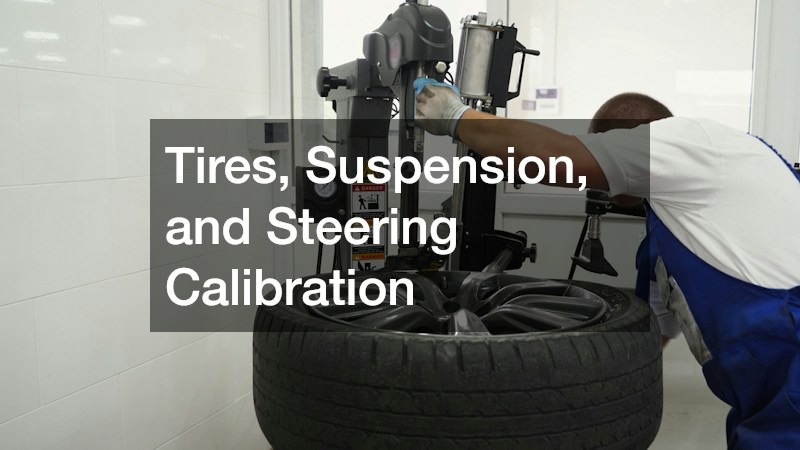
Tires are the sole contact patch between your vehicle and the road surface, making tire health paramount to highway safety, braking performance, and fuel economy. Driving thousands of miles on underinflated or worn tires dramatically increases the risk of high-speed blowouts.
- Tread Depth Verification: Use a tread depth gauge or the traditional coin test to verify that tread depth exceeds 4/32 of an inch. Deep tread grooves are crucial for channeling water away from the contact patch during heavy rainstorms to prevent hydroplaning.
- Cold Pressure Adjustments: Always measure and adjust tire pressure when the tires have been sitting idle for at least three hours. Inflate them according to the manufacturer’s specifications found on the driver-side door placard, not the maximum PSI stamped on the tire sidewall.
- Wheel Alignment and Balance: If your steering wheel pulls to one side or vibrates at highway speeds, have a technician balance the wheels and align the suspension. Misalignment causes accelerated, uneven tire wear and increases driver fatigue over long distances.
Even with pristine tires, road debris can strike at any time. Packing a basic tire plug kit and a portable 12-volt air compressor allows you to handle a minor car tire repair on the shoulder without waiting hours for a tow truck. Additionally, lower your spare tire from its under-chassis mount or remove it from the trunk to ensure it is properly inflated and free of dry rot before starting your trip.
Body, Frame, and Heavy Gear Security
A vehicle carrying passengers and heavy luggage across state lines handles differently than one driving around town. The exterior body, chassis, and cargo mounting hardware must be thoroughly inspected to ensure everything remains secure at high speeds.
High-speed wind resistance places continuous physical stress on external components. Inspect roof racks, luggage baskets, and hitch-mounted cargo carriers for rusted hardware, loose bolts, or cracked mounting points. Upgrading to high-strength straps or adding a functional truck accessory like a locking cargo box prevents items from shifting, blowing away, or creating dangerous drag that reduces fuel economy.
Exterior damage can also compromise long-distance driving safety. Loose bumper covers, cracked windshields, and damaged door latches tend to deteriorate under sustained highway vibration and aerodynamic force.
If your vehicle has sustained minor structural damage or panel misalignment from previous fender benders, scheduling an auto body repair consultation prior to departure ensures that bumper covers, fender liners, and latch assemblies are structurally sound and firmly attached.
Outfitting Your Vehicle for Heavy Loads and Trailering

Overloading a vehicle past its rated capacity causes excess heat buildup in the engine, transmission, and braking systems, while severely degrading handling and stopping distances. Understanding your payload and towing constraints protects both your mechanical components and your road safety.
Before loading up your vehicle, locate its Gross Vehicle Weight Rating (GVWR) on the door jamb sticker. Subtract the curb weight from the GVWR to determine your maximum allowable payload, which includes the driver, passengers, luggage, and tongue weight if towing a trailer. When packing, place the heaviest items low to the floor and centered between the axles to maintain a low center of gravity and stable handling characteristics.
If you regularly transport heavy gear, bicycles, or camping equipment, installing high-quality truck accessories such as heavy-duty tie-downs, suspension helpers, or a class-matched receiver hitch ensures your cargo remains stable over rough pavement.
In commercial logistics, operators handling transload freight carefully balance axle weights when transferring cargo between railcars and semi-trucks to maintain vehicle stability and compliance. Applying these same weight distribution principles to your personal vehicle ensures predictable steering response, level ride height, and reliable braking performance across mountain passes.
Large Vehicle and Conversion Maintenance Protocols
Driving an oversized vehicle, such as a camper van, high-roof conversion, or heavy-duty truck, requires tailored maintenance procedures due to increased weight, height, and mechanical complexity.
Large commercial-style platforms place unique demands on suspension bushings, heavy-duty brakes, and high-capacity cooling systems. Standard consumer repair shops often lack the tall bay doors, heavy-duty lifts, or specialized diagnostic software required to service these large platforms. If you encounter mechanical issues in a large custom rig, seeking out a specialized box truck repair shop ensures that technicians have the proper lift equipment, tools, and heavy-chassis parts needed to perform repairs correctly.
To maintain optimal reliability on extended road trips, adopt structured commercial maintenance routines. Incorporating standard fleet service repair checklists—such as performing daily pre-drive walkarounds, inspecting brake line routing, and greasing suspension fittings—allows you to catch mechanical defects long before they cause a breakdown on the highway.
Navigating Highway Hazards and Safety Protocols

Even the most meticulously maintained vehicle can encounter unexpected highway hazards, extreme weather events, or traffic collisions. Knowing how to share the road safely with commercial traffic and managing roadside emergencies effectively protects everyone in your vehicle.
When driving on multi-lane highways, maintain generous following distances behind heavy commercial vehicles. Big rigs have large blind spots along their sides and rear, and their braking distances are significantly longer than those of passenger cars. Avoid lingering alongside large trucks, and always pass quickly and decisively when it is safe to do so.
If a breakdown or accident occurs, remain calm and prioritize safety. Move your vehicle as far onto the right shoulder as possible, turn on your hazard lights, and set out reflective warning markers behind your bumper to alert oncoming traffic.
In the unfortunate event of a major highway collision involving commercial carriers, documenting the scene thoroughly, contacting local law enforcement, and speaking with a personal injury lawyer can clarify your rights and guide you through complex multi-party insurance claims.
Essential Emergency Kit and Supplies
A well-stocked emergency kit transforms a potential crisis into a manageable delay. Assemble a dedicated roadside emergency tote bag and store it where it can be easily accessed without unloading all your luggage.
- Fluid Reserves and Basic Tools: Carry one quart of matching engine oil, a gallon of pre-mixed coolant, a roll of heavy-duty duct tape, zip ties, a socket set, adjustable wrenches, and work gloves.
- Power and Lighting Supplies: Pack a compact lithium-ion jump-starter pack, extra phone charging cables, and a rechargeable LED headlamp with spare batteries.
- First Aid and Survival Gear: Stock a comprehensive first aid kit with bandages, antiseptic wipes, burn cream, pain relievers, thermal space blankets, non-perishable snack bars, and several gallons of drinking water.
Before embarking on remote stretches with limited cellular coverage, download offline maps to your smartphone and keep a paper road atlas as a physical backup. Having physical tools, fluid reserves, and navigation backups ensures self-reliance no matter where your adventure leads.
Preparing for Final Pre-Departure Checks
A successful long-distance road trip is built on thorough preparation and systematic vehicle care. By completing comprehensive diagnostic tests, inspecting critical mechanical systems, balancing your payload correctly, and packing a full emergency kit, you significantly minimize the risk of unexpected breakdowns.
On the morning of your departure, perform one final 10-minute walkaround check. Re-verify tire pressures, check under the engine bay for any fresh fluid leaks, confirm all lights are functioning, and double-check that all external cargo is securely strapped down. Taking these final preventative measures allows you to turn the key, step on the gas, and enjoy the open road with complete peace of mind.