Preparing for a long road trip is an exciting endeavor. Whether you are driving across the country to explore national parks, visiting distant family, or taking a coastal weekend getaway, taking your car out on the open highway promises freedom, flexibility, and adventure. Proper vehicle preparation helps prevent minor mechanical issues from becoming major obstacles along your route. However, an unexpected mechanical failure in the middle of nowhere can quickly turn a dream vacation into a frustrating, expensive, and stressful nightmare.
To ensure your journey is seamless, comfortable, and safe, a thorough pre-trip preparation routine is essential. Taking the time to systematically evaluate your vehicle’s mechanical systems, safety gear, passenger comfort features, and legal documentation minimizes breakdown risks, optimizes fuel efficiency, and auto repairs gives you total peace of mind before you hit the road.
Engine and Fluid Inspection
Monitoring Critical Fluid Levels
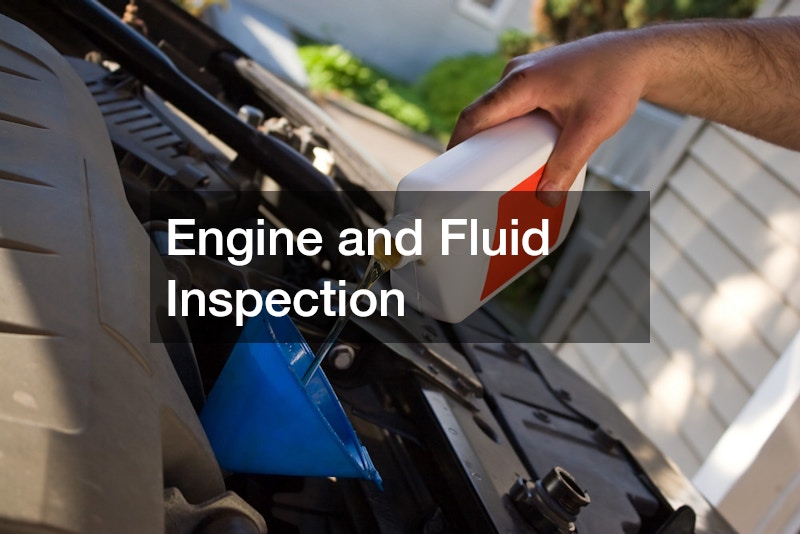
Your engine relies on specialized fluids to cool moving parts, clear away harmful debris, reduce internal friction, and transfer power smoothly. Park your vehicle on a flat surface and let the engine cool down completely before inspecting fluid levels. Check the engine oil dipstick and replace dark, gritty, or low oil immediately alongside a fresh filter. Inspect the coolant reservoir to prevent dangerous overheating during long highway stretches, and top off the brake, power steering, and windshield washer fluids with recommended formulas.
- Check engine oil levels when the engine is cold to get an accurate reading on the dipstick.
- Fill washer fluid with an all-weather solution that effectively cleans bugs and road grime.
- Inspect fluid reservoirs for any visual cracks, leaking hoses, or loose cap seals.
Inspecting Belts, Hoses, and Electrical Systems
Belts and hoses endure extreme engine heat and mechanical stress over long drives, making them prone to unexpected wear. A snapped serpentine belt can quickly disable your alternator, water pump, and power steering, leaving you stranded far from service facilities.
- Inspect the serpentine belt for dry rot, missing teeth, surface cracking, or severe fraying.
- Squeeze radiator hoses when cold; replace any soft, bulging, spongy, or brittle hoses.
- Clean white or bluish corrosion off battery terminals using a stiff brush and baking soda.
- Test your battery’s voltage holding capacity at a local auto parts store if it is over three years old.
Exhaust and Emissions Health
A free-flowing exhaust system is vital for engine performance, fuel efficiency, and passenger safety. Before setting out on a multi-day driving trip, inspect your vehicle’s exhaust pipe, catalytic converter, and muffler for signs of deep rust, loose mounting hangers, or physical cracks. Leaking exhaust fumes can leak into the passenger cabin over prolonged driving periods, causing driver drowsiness and headache risks.
- Listen for unusually loud engine rumbles, sputtering sounds, or metallic rattling under the chassis.
- Ensure all rubber exhaust hangers are intact so the exhaust pipe does not sag or drag over bumps.
- Address persistent exhaust odors immediately to maintain safe, clean cabin air quality.
Drive System and Mechanical Service
Servicing Brakes and Stopping Power
Your braking system is vital when navigating heavy highway traffic, steep mountain grades, or severe weather conditions. Squealing, grinding noises, or a spongy feeling when pressing the pedal indicate worn components that demand immediate professional attention. Scheduling professional brake repair services before a major trip ensures that your pads, rotors, and calipers are fully functional, giving you maximum stopping efficiency and reducing brake fatigue.
- Replace brake pads if the friction material thickness measures below three millimeters.
- Resurface or replace scored rotors to prevent harsh vibrations while braking at high speeds.
- Flush old brake fluid if it appears dark or contains moisture buildup.
Engine Diagnostics and Tune-Ups
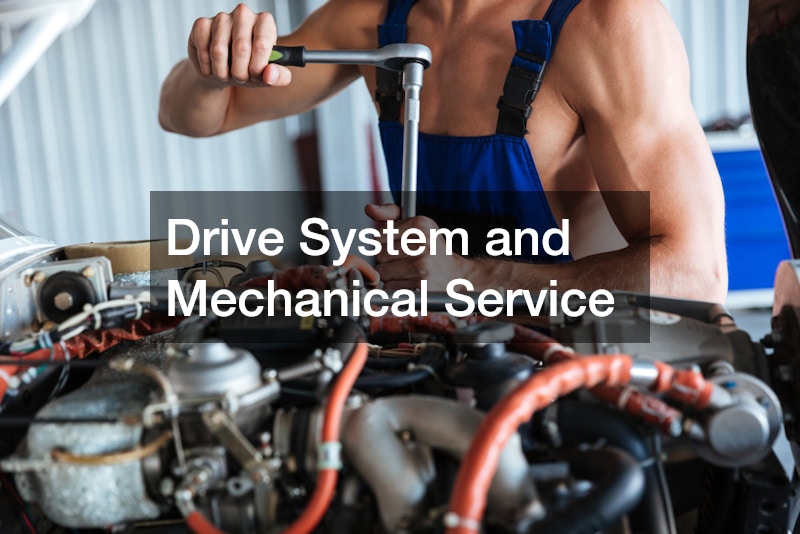
A smooth-running engine delivers reliable performance and optimal fuel economy over long distances. Address any check engine lights, rough idling, or sluggish acceleration before leaving on your journey. Resolving these performance issues with necessary car engine repairs prevents minor mechanical faults from escalating into severe, costly engine failure miles away from home.
- Install fresh spark plugs to ensure complete combustion and prevent engine misfires.
- Replace dirty air filters to improve airflow, engine response, and fuel efficiency.
- Clean fuel injectors to clear carbon buildup and maintain smooth engine acceleration.
Suspension and Steering Readiness
Long-distance driving across varied road conditions puts extra strain on your vehicle’s shocks, struts, and steering assemblies. A worn suspension leads to uneven tire wear, unstable cornering, longer stopping distances, and significant driver fatigue. Inspecting these undercarriage components ensures your car handles predictably when carrying heavy loads or negotiating winding roads.
- Check shock absorbers and struts for fluid leaks, broken coil springs, or damaged rubber bushings.
- Test for worn ball joints or tie rods by checking for excessive play when turning the steering wheel.
- Replace sagging rear springs if the tail end droops significantly under normal cargo weight.
Professional Mechanical Inspections
While basic DIY checks are helpful, having a qualified technician inspect your vehicle provides complete peace of mind.
- Raise the car on a lift to inspect steering linkages, suspension struts, and ball joints.
- Check wheel bearings, CV axle boots, and exhaust systems for excessive play or physical damage.
- Rely on comprehensive automotive repair services to identify hidden mechanical wear before it causes a breakdown.
Tires and Wheel Maintenance
Tread Depth and Air Pressure
Tires are your car’s only point of contact with the road, making their condition vital for safe handling, braking responsiveness, and overall stability. Check tread depth across all four tires using a tread gauge or penny test to avoid hydroplaning during sudden heavy rainstorms. Always measure tire pressure when the tires are cold, matching the PSI listed on the driver’s door jamb rather than the tire sidewall max pressure.
- Check tire treads for irregular wear patterns that indicate alignment or suspension issues.
- Adjust tire pressure upward to match recommended specifications if carrying heavy loads.
- Inspect tire sidewalls for bulges, cracks, punctures, or embedded debris like nails.
Alignments, Services, and Spares
- Schedule a quick tire service to balance and rotate wheels, eliminating high-speed vibrations.
- Align wheels to correct steering pull, reduce rolling resistance, and significantly boost gas mileage.
- Inspect the spare tire air pressure and verify that your jack, lug wrench, and wheel lock key are present.
- Check the expiration date on tire sealant canisters if your vehicle lacks a physical spare tire.
Exterior Visibility and Body Integrity

Glass Clarity and Solar Protection
Clean all interior and exterior glass thoroughly to eliminate haze, fingerprints, and night glare. Replace worn wiper blades if they streak, chatter, or show split rubber edges. Installing a high-quality windshield tint helps filter out harsh ultraviolet rays, reduces cabin heat buildup, and minimizes driver eye strain during long hours of daytime driving.
- Clean windshield wiper blades with rubbing alcohol to remove accumulated road grime.
- Repair minor glass chips immediately to prevent them from expanding across the windshield.
- Use a streak-free automotive glass cleaner on all interior window surfaces.
Lighting and Exterior Care
Proper illumination allows you to see hazards clearly while signaling your intentions to other drivers on busy freeways.
- Walk around the vehicle while a partner tests headlights, brake lights, turn signals, and reverse lights.
- Clean cloudy headlight lenses using a restoration kit to maximize nighttime road visibility.
- Have skilled auto body technicians repair loose bumpers, cracked trim, or damaged paneling.
- Visit a local auto body shop to fix minor structural issues and secure loose underbody shields.
Exterior Aerodynamics and Wiper System
Ensuring that exterior body attachments and airflow aids are properly fastened reduces drag and wind noise. Loose plastic splash shields, sagging bumper valances, or missing trim clips can detach under constant highway wind pressure, creating severe hazards for vehicles behind you.
- Verify that plastic belly pans and engine splash guards are firmly bolted beneath the chassis.
- Inspect side mirror housings and glass adjusters to ensure they stay firmly in position at high speeds.
- Test windshield washer nozzle spray patterns to verify full glass coverage across the windshield.
Interior Comfort, Cleanliness, and Climate Control
Climate Control and Seating Ergonomics
Test your heating and air conditioning systems on maximum settings before hitting the road to ensure proper temperature regulation. Replace clogged cabin air filters to boost airflow volume, eliminate stale odors, and remove airborne allergens. Adjust the driver’s seat position to support an upright posture with a slight knee bend, and utilize ergonomic lumbar cushions to prevent lower back pain during long stints behind the wheel.
- Clear dashboard air vents of dust and debris to ensure unrestricted airflow.
- Sanitize interior surfaces and vacuum carpets to create a clean cabin environment.
- Pack supportive neck or lumbar pillows for passenger comfort during long drives.
Interior Upholstery and Quietness
Over time, constant use can wear down interior surfaces and compromise noise insulation. Addressing minor cabin wear creates a far more relaxing environment for every passenger on board.
- Handle needed auto interior repair tasks like fixing torn seats, loose door panels, or sagging headliners.
- Inspect window and door weatherstripping for cracks or tears that let wind noise penetrate the cabin.
- Vacuum floor mats and ensure they are securely anchored so they cannot slip beneath the pedals.
- Organize glove compartments and console storage to keep essential items accessible.
Electrical Systems and Electronics
Navigation and Device Power
Modern road trips depend heavily on reliable electronic devices for navigation, communication, and entertainment. Update your onboard GPS software or smartphone mapping apps before departing, and download offline maps for areas with poor cellular service. Verify that all 12V auxiliary sockets and USB charging ports are functioning properly, and pack high-quality charging cords for all passengers.
- Mount your smartphone in a secure dashboard holder to keep your hands on the wheel.
- Download travel playlists, podcasts, or audiobooks ahead of time to save cellular data.
- Pack a multi-port USB car charger to keep multiple passenger devices powered simultaneously.
Emergency Preparedness and Travel Readiness
Emergency Equipment and Safety
Even meticulous mechanical preparation cannot prevent every unexpected roadside surprise, such as a nail in a tire or a sudden weather delay. Pack an easily accessible roadside emergency kit in your trunk containing essential supplies for unexpected delays or breakdown situations.
- High-visibility safety vests, collapsible warning triangles, and a bright LED flashlight.
- Heavy-duty jumper cables or a portable lithium-ion jump starter pack.
- A basic hand tool kit, duct tape, zip ties, work gloves, and a tire pressure gauge.
- A fully stocked first aid kit with bandages, antiseptic wipes, and pain relievers.
- Non-perishable snacks, protein bars, and several gallons of fresh drinking water.
- A high-capacity portable power bank so your mobile phone stays charged in emergency situations.
Seasonal Gear and Weather Protection
Weather can change dramatically as you cross state lines, climb elevation, or travel through coastal areas. Having appropriate environmental gear protects you from unexpected cold snaps or torrential downpours.
- Pack heavy thermal blankets, rain ponchos, and extra warm clothing layers.
- Store an ice scraper, snow brush, and windshield de-icer spray if traveling in cold regions.
- Carry a compact folding shovel and traction mats for sand, mud, or snow recovery.
Legal Requirements and Cargo Management
Before pulling out of your driveway, ensure that all necessary administrative paperwork is current and that your vehicle load is distributed safely to prevent handling problems.
- Store your current registration and driver’s license inside a protective glovebox pouch.
- Verify your auto insurance policy card is up to date and includes roadside assistance.
- Adhere to your vehicle’s Gross Vehicle Weight Rating by avoiding heavy cargo overloads.
- Secure all luggage inside the cargo area so heavy items cannot shift during sudden stops.
- Keep sightlines clear by stacking luggage below the top edge of the rear passenger seats.
Taking the time to systematically inspect, service, and prepare your vehicle before setting out is the single best way to guarantee a memorable, stress-free road trip. By addressing mechanical components, tire health, driver visibility, interior comfort, and emergency gear, you protect yourself and your passengers across every mile of the open road. A little extra effort spent in your driveway pays off in endless smooth miles on the highway. Plan ahead, complete your vehicle checks early, and enjoy the journey ahead.