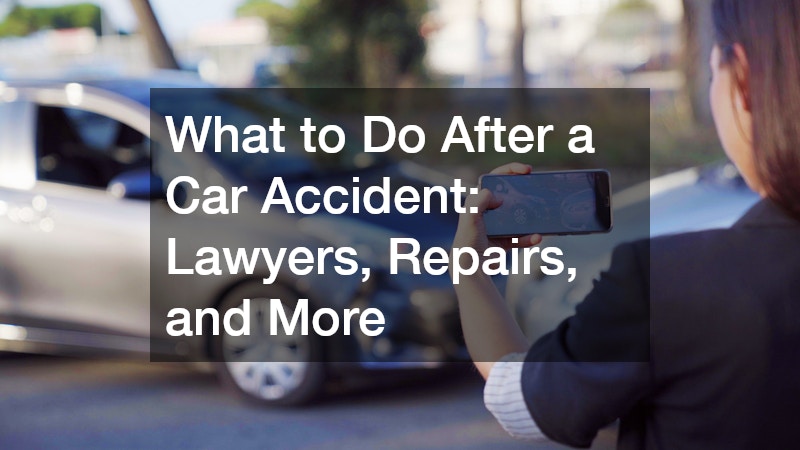
A car accident can disrupt your life in an instant. One moment, you might be driving along on a routine errand or enjoying a road trip, and in the next, you find yourself facing the aftermath of a collision. Whether it’s a minor fender bender, where the damage is limited to a few dents and scratches, or a more serious collision that involves severe vehicle damage or personal injury, the aftermath often brings confusion, stress, and a long list of decisions that need to be made quickly. In those first few moments, as the adrenaline from the crash still courses through your body, it can be difficult to think clearly. Yet, the actions you take right away can significantly impact your safety, your finances, and your legal standing going forward.
This comprehensive guide is designed to walk you through each step of the process in meticulous detail. From the very first moments at the scene of the accident, where it is crucial to ensure everyone’s safety and gather critical information, to the subsequent stages of working through insurance processes, managing vehicle repairs, and contending with any legal considerations, you’ll gain practical insights necessary for navigating each aspect effectively. With this guidance, you will be equipped to move forward with a newfound sense of confidence and clarity, knowing that you have a roadmap for handling the situation with the knowledge and precision it demands.
Take Immediate Steps to Protect Yourself and Others
The moments immediately following an accident are critical. Your first responsibility is to ensure the safety of everyone involved. Before thinking about damage or fault, take a moment to assess injuries—both your own and those of others. Even if injuries aren’t immediately visible, it’s important to proceed cautiously, as adrenaline can mask pain.
If the vehicles are in a dangerous position, such as the middle of traffic, move them to a safer location if possible. Turning on hazard lights helps alert other drivers and reduces the risk of additional collisions. If moving the vehicle isn’t safe, remain inside with your seatbelt fastened until help arrives.
It’s also important to contact emergency services when necessary. Even in less severe situations, having an official record can be beneficial later. After addressing safety concerns, begin gathering essential information and notify your auto insurance provider to initiate the claims process.
Key steps to take include:
- Check for injuries and call for medical help if needed
- Move vehicles out of traffic if it is safe to do so
- Turn on hazard lights and remain visible
- Exchange contact and vehicle information with others involved
- Contact your auto insurance company as soon as possible
Taking these steps ensures that everyone remains safe and that you begin the process on solid footing.
Document the Scene Thoroughly to Support Your Case
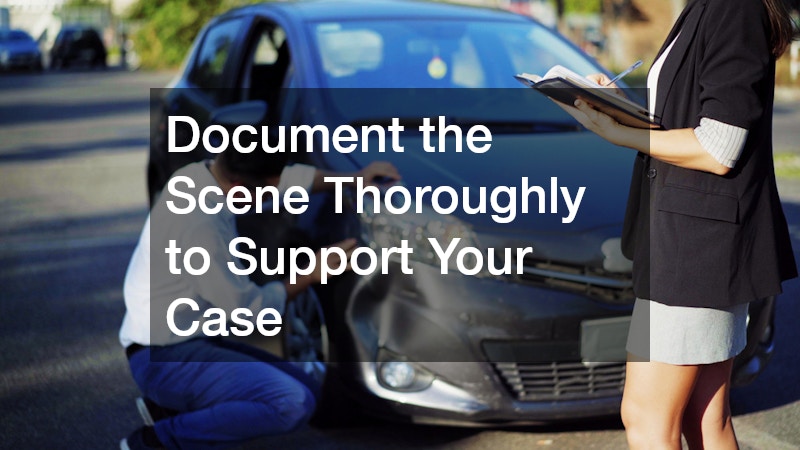
Thorough documentation is one of the most powerful tools you have after an accident. The more evidence you collect, the easier it will be to support your claim and resolve disputes. Even small details can make a significant difference when determining fault or negotiating compensation.
Start by taking photos and videos of the scene. Capture multiple angles of all vehicles involved, focusing on damage, license plates, and the surrounding area. Road conditions, traffic signals, and weather can all play a role in understanding what happened.
In addition to visual evidence, gather written information. This includes names, phone numbers, addresses, driver’s license numbers, and insurance details. Witness statements can also be extremely valuable, especially if there is disagreement about how the accident occurred.
When working with your auto insurance provider, having organized documentation will speed up the claims process and reduce the likelihood of complications.
To document effectively:
- Take clear photos of damage, surroundings, and road conditions
- Record contact and insurance information for all parties
- Speak with witnesses and collect their statements
- Request a copy of the police report if available
Being thorough at this stage can prevent major headaches later.
Know When to Seek Legal Help for Fair Compensation
While not every accident requires legal representation, there are many situations where consulting an auto accident attorney or accident attorney is the smartest decision you can make. Legal professionals understand the complexities of personal injury and liability cases, and they can help ensure that you are treated fairly throughout the process.
If you have sustained injuries, are facing significant repair costs, or are dealing with an uncooperative insurance company, an attorney can step in to advocate on your behalf. They handle negotiations, gather additional evidence, and work to secure compensation that reflects the full extent of your losses.
Legal guidance is especially important in cases involving disputed fault or long-term medical issues. Without proper representation, you may risk accepting a settlement that does not fully cover your expenses.
You should consider legal help if:
- Injuries require ongoing medical treatment
- Liability for the accident is unclear or contested
- The insurance company denies or undervalues your claim
- You feel pressured to settle quickly
Having an experienced attorney ensures that your rights are protected and that you receive the compensation you deserve.
Understand Your Coverage Before Making Decisions

Understanding your auto insurance policy is essential for making informed decisions after an accident. Many drivers are unaware of what their policy covers until they need it, which can lead to confusion and unexpected costs.
Policies typically include several types of coverage, such as liability, collision, and comprehensive. Each serves a different purpose, from covering damages to your own vehicle to protecting you against claims from others. Knowing how these components work together helps you navigate the claims process more effectively.
It’s also important to understand your deductible, which is the amount you must pay out of pocket before your insurance coverage applies. This can influence your decision to file a claim or handle minor repairs independently.
To better understand your coverage:
- Review your policy documents carefully
- Ask your insurer to explain unclear terms
- Know your deductible and coverage limits
- Keep your policy information easily accessible
Being informed allows you to make decisions with confidence and avoid unnecessary financial strain.
Choose a Reliable Shop to Restore Your Vehicle Properly
Selecting the right facility for repairs is one of the most important steps after an accident. A quality shop providing auto repair and auto repair services ensures that your vehicle is restored safely and effectively, while poor workmanship can lead to ongoing issues.
Look for shops with certified technicians, modern equipment, and a strong reputation. Certifications indicate that technicians have received proper training and follow industry standards. Customer reviews and recommendations can also provide valuable insight into the quality of service.
Before committing to a shop, request detailed estimates from multiple providers. This allows you to compare pricing, timelines, and the scope of work.
When choosing a repair facility:
- Verify certifications and technician experience
- Read reviews and ask for recommendations
- Request written estimates and timelines
- Ask about warranties on parts and labor
A careful selection process ensures that your vehicle is repaired correctly and safely.
Address Structural and Cosmetic Damage the Right Way

After an accident, damage to your vehicle can range from minor cosmetic issues to serious structural problems. While dents and scratches may seem insignificant, they can sometimes indicate deeper issues that need attention.
Professional auto body repairs at a trusted auto body shop ensure that all damage is properly assessed and corrected. This includes repairing the frame, aligning components, and restoring the exterior finish. Proper repairs are essential for maintaining both safety and resale value.
Ignoring damage can lead to long-term problems, such as rust, weakened structural integrity, or poor vehicle performance. A thorough inspection helps identify all necessary repairs.
To ensure proper restoration:
- Request a comprehensive inspection of your vehicle
- Address both visible and hidden damage
- Confirm that repairs meet safety standards
- Review the final results before accepting the vehicle
Taking the time to address all damage ensures that your vehicle is fully restored.
Keep Track of All Repairs and Related Expenses
Maintaining accurate records after an accident is essential for both insurance claims and future reference. Every repair, expense, and communication should be documented to ensure that you are properly reimbursed and protected.
Auto repairs often involve multiple costs, including parts, labor, rental vehicles, and transportation. Keeping detailed records helps you stay organized and provides proof if disputes arise.
Proper documentation also benefits you in the long term. A complete repair history can increase your vehicle’s resale value and provide transparency for future buyers.
To stay organized:
- Save all receipts and invoices
- Document communication with insurers and repair shops
- Track additional expenses such as rental cars
- Store records in both digital and physical formats
Being organized simplifies the process and ensures that nothing is overlooked.
Work with Local Experts for Faster and Easier Service
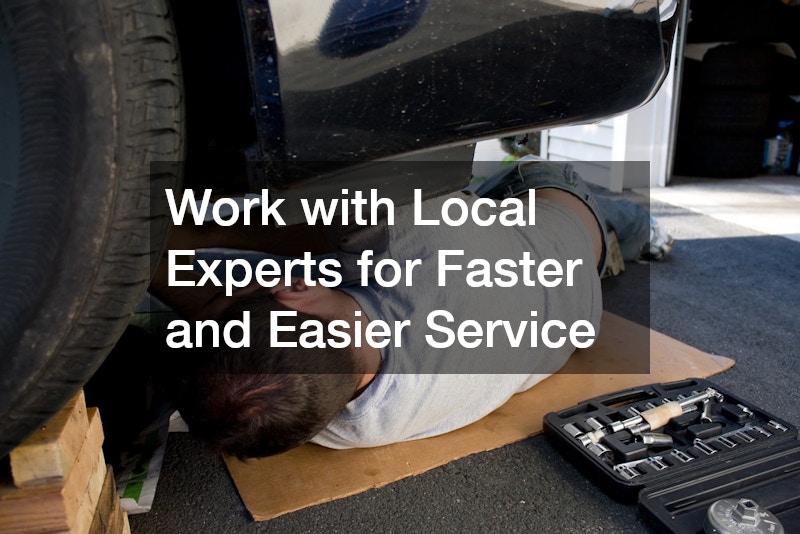
Choosing local auto repairs can make the entire process more convenient and efficient. Local providers are often more accessible, allowing for quicker communication and faster turnaround times.
In addition to convenience, local businesses rely heavily on their reputation within the community. This often results in higher levels of customer service and accountability. Building a relationship with a local provider can also benefit you in the future when routine maintenance or additional repairs are needed.
Working with nearby professionals allows you to:
- Visit the shop easily for updates or inspections
- Communicate directly with technicians
- Receive faster service and support
- Build a trusted relationship for future needs
Local expertise adds a personal touch that can make a stressful situation more manageable.
Avoid Common Mistakes That Can Cost You Time and Money
After an accident, it’s easy to make mistakes that can complicate the situation. Being aware of these pitfalls helps you avoid unnecessary stress and expenses.
Common mistakes include delaying repairs, failing to document the scene, and accepting the first estimate without comparison. Choosing the right auto repair services and staying informed throughout the process are essential for avoiding these issues.
To prevent costly errors:
- Act quickly when filing claims and scheduling repairs
- Get multiple estimates before making decisions
- Stay informed about your rights and options
- Communicate clearly with all parties involved
Avoiding these mistakes ensures a smoother recovery process and better outcomes.
Plan Ahead to Be Better Prepared for Future Incidents
Preparation is one of the best ways to reduce stress and improve outcomes in the event of another accident. Taking time to review your coverage and update your information ensures that you are ready to respond quickly.
Working with a reliable auto insurance provider allows you to tailor your policy to your needs and make adjustments as your circumstances change. Preparation also includes keeping emergency supplies in your vehicle and knowing who to contact in an emergency.
To stay prepared:
- Review your insurance policy regularly
- Keep emergency contact information accessible
- Store essential supplies in your vehicle
- Reflect on past experiences to improve future responses
Being prepared gives you confidence and control in unexpected situations.
Recovering from a car accident can indeed feel overwhelming, as it involves dealing with both physical injuries and emotional stress. However, having a detailed and clear plan can make a significant difference in how effectively you manage this challenging situation. It’s crucial to focus on prioritizing your safety, ensuring thorough documentation, and making well-informed decisions at each step of the process. By doing so, you can navigate the aftermath more efficiently, prevent potential complications, and reduce the stress that often accompanies such incidents.
The recovery process can be broken down into various steps, each equally important in its own right. From the immediate response right after the accident, such as seeking medical attention, to addressing long-term repairs and planning for any future contingencies, each phase plays a vital role in safeguarding your health and securing your financial stability. By taking the time to thoroughly understand your options and collaborating with trusted professionals—such as legal advisors, insurance agents, and medical practitioners—you can ensure that you receive appropriate guidance and achieve the best possible outcomes for your particular situation.
With the right approach, you can foster a sense of confidence as you move forward. It is comforting to know that by handling the situation with responsibility and diligence, you’ve not only managed the immediate challenges effectively but have also laid down a foundation for a smoother experience in any future occurrences. Embracing a proactive stance allows for better control over the recovery process, ultimately leading to a more assured and peaceful state of mind. Your Vehicle Properly
Selecting the right facility for repairs is one of the most important steps after an accident. A quality shop providing auto repair and auto repair services ensures that your vehicle is restored safely and effectively, while poor workmanship can lead to ongoing issues.
Look for shops with certified technicians, modern equipment, and a strong reputation. Certifications indicate that technicians have received proper training and follow industry standards. Customer reviews and recommendations can also provide valuable insight into the quality of service.
Before committing to a shop, request detailed estimates from multiple providers. This allows you to compare pricing, timelines, and the scope of work.
When choosing a repair facility:
- Verify certifications and technician experience
- Read reviews and ask for recommendations
- Request written estimates and timelines
- Ask about warranties on parts and labor
A careful selection process ensures that your vehicle is repaired correctly and safely.
Address Structural and Cosmetic Damage the Right Way
After an accident, damage to your vehicle can range from minor cosmetic issues to serious structural problems. While dents and scratches may seem insignificant, they can sometimes indicate deeper issues that need attention.
Professional auto body repairs at a trusted auto body shop ensure that all damage is properly assessed and corrected. This includes repairing the frame, aligning components, and restoring the exterior finish. Proper repairs are essential for maintaining both safety and resale value.
Ignoring damage can lead to long-term problems, such as rust, weakened structural integrity, or poor vehicle performance. A thorough inspection helps identify all necessary repairs.
To ensure proper restoration:
- Request a comprehensive inspection of your vehicle
- Address both visible and hidden damage
- Confirm that repairs meet safety standards
- Review the final results before accepting the vehicle
Taking the time to address all damage ensures that your vehicle is fully restored.
Keep Track of All Repairs and Related Expenses
Maintaining accurate records after an accident is essential for both insurance claims and future reference. Every repair, expense, and communication should be documented to ensure that you are properly reimbursed and protected.
Auto repairs often involve multiple costs, including parts, labor, rental vehicles, and transportation. Keeping detailed records helps you stay organized and provides proof if disputes arise.
Proper documentation also benefits you in the long term. A complete repair history can increase your vehicle’s resale value and provide transparency for future buyers.
To stay organized:
- Save all receipts and invoices
- Document communication with insurers and repair shops
- Track additional expenses such as rental cars
- Store records in both digital and physical formats
Being organized simplifies the process and ensures that nothing is overlooked.
Work with Local Experts for Faster and Easier Service
Choosing local auto repairs can make the entire process more convenient and efficient. Local providers are often more accessible, allowing for quicker communication and faster turnaround times.
In addition to convenience, local businesses rely heavily on their reputation within the community. This often results in higher levels of customer service and accountability. Building a relationship with a local provider can also benefit you in the future when routine maintenance or additional repairs are needed.
Working with nearby professionals allows you to:
- Visit the shop easily for updates or inspections
- Communicate directly with technicians
- Receive faster service and support
- Build a trusted relationship for future needs
Local expertise adds a personal touch that can make a stressful situation more manageable.
Avoid Common Mistakes That Can Cost You Time and Money
After an accident, it’s easy to make mistakes that can complicate the situation. Being aware of these pitfalls helps you avoid unnecessary stress and expenses.
Common mistakes include delaying repairs, failing to document the scene, and accepting the first estimate without comparison. Choosing the right auto repair services and staying informed throughout the process are essential for avoiding these issues.
To prevent costly errors:
- Act quickly when filing claims and scheduling repairs
- Get multiple estimates before making decisions
- Stay informed about your rights and options
- Communicate clearly with all parties involved
Avoiding these mistakes ensures a smoother recovery process and better outcomes.
Plan Ahead to Be Better Prepared for Future Incidents
Preparation is one of the best ways to reduce stress and improve outcomes in the event of another accident. Taking time to review your coverage and update your information ensures that you are ready to respond quickly.
Working with a reliable auto insurance provider allows you to tailor your policy to your needs and make adjustments as your circumstances change. Preparation also includes keeping emergency supplies in your vehicle and knowing who to contact in an emergency.
To stay prepared:
- Review your insurance policy regularly
- Keep emergency contact information accessible
- Store essential supplies in your vehicle
- Reflect on past experiences to improve future responses
Being prepared gives you confidence and control in unexpected situations.
Recovering from a car accident can indeed feel overwhelming, as it involves dealing with both physical injuries and emotional stress. However, having a detailed and clear plan can make a significant difference in how effectively you manage this challenging situation. It’s crucial to focus on prioritizing your safety, ensuring thorough documentation, and making well-informed decisions at each step of the process. By doing so, you can navigate the aftermath more efficiently, prevent potential complications, and reduce the stress that often accompanies such incidents.
The recovery process can be broken down into various steps, each equally important in its own right. From the immediate response right after the accident, such as seeking medical attention, to addressing long-term repairs and planning for any future contingencies, each phase plays a vital role in safeguarding your health and securing your financial stability. By taking the time to thoroughly understand your options and collaborating with trusted professionals—such as legal advisors, insurance agents, and medical practitioners—you can ensure that you receive appropriate guidance and achieve the best possible outcomes for your particular situation.
With the right approach, you can foster a sense of confidence as you move forward. It is comforting to know that by handling the situation with responsibility and diligence, you’ve not only managed the immediate challenges effectively but have also laid down a foundation for a smoother experience in any future occurrences. Embracing a proactive stance allows for better control over the recovery process, ultimately leading to a more assured and peaceful state of mind.